A-Z Index
Image Cart
              

 Information For:

Manufacturers

Regulator

Healthcare

Consumers

Members


About USP–An Overview

Who We Are

The United States Pharmacopeia (USP) is an official public standards–setting authority for all prescription and over–the–counter medicines and other health care products manufactured or sold in the United States. USP also sets widely recognized standards for food ingredients and dietary supplements. USP sets standards for the quality, purity, strength, and consistency of these products–critical to the public health. USP's standards are recognized and used in more than 130 countries around the globe. These standards have helped to ensure public health throughout the world for close to 200 years.

USP is a non-governmental, not-for-profit public health organization whose independent, volunteer experts work under strict conflict–of–interest rules to set its scientific standards. USP's contributions to public health are enriched by the participation and oversight of volunteers representing pharmacy, medicine, and other health care professions as well as academia, government, the pharmaceutical and food industries, health plans, and consumer organizations.

Our Mission

To improve the health of people around the world through public standards and related programs that help ensure the quality, safety, and benefit of medicines and foods.

What We Do

Product Quality–Standards and Verification

USP establishes state–of–the–art documentary and reference standards to ensure quality medicines, food ingredients, and other health care products. Developed through a unique process of public involvement, standards setting is a core activity for USP.

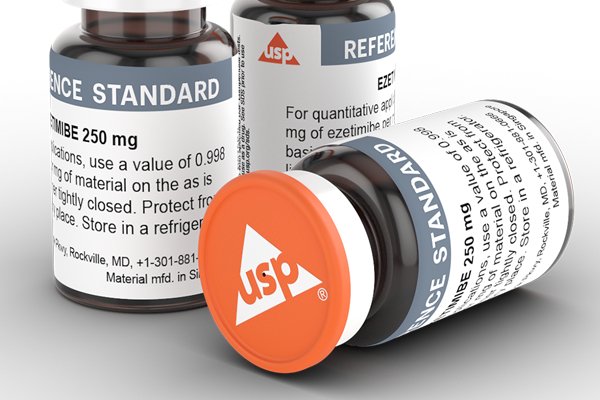
USP's documentary standards and reference standards are used by regulatory agencies and manufacturers of pharmaceuticals, over–the–counter drugs, dietary supplements, and food ingredients to ensure that these products are of the appropriate strength, quality, and purity.

Prescription and over–the–counter medicines available in the United States must, by federal law, meet USP's public standards, where such standards exist. Many other countries require the use of high–quality standards such as USP's to assure the quality of medicines and related products. USP disseminates its standards for medicines to pharmaceutical manufacturers, pharmacists, and other users through its United States Pharmacopeia–National Formulary (USP–NF) and its standards for food ingredients through the Food Chemicals Codex (FCC), as well as through official USP Reference Standards materials and Pharmacopeial Education courses.

USP also conducts verification programs for dietary supplement ingredients and products and pharmaceutical ingredients. These programs involve independent testing and review to verify ingredient and product integrity, purity, and potency for manufacturers who choose to participate.

Healthcare Information

USP develops authoritative, unbiased information relating to various aspects of drug use and disseminates this information to practitioners, pharmacists, and others who make decisions about health care around the world. Significant among USP's health care information initiatives is the development of a drug classification system that Medicare Prescription Drug Benefit plans may use to develop their formularies. USP also partners with the U.S. Agency for International Development, the World Health Organization, John Snow International, the Bill and Melinda Gates Foundation, and others in worldwide projects that help to assure drug quality and proper drug use in many developing countries.

Drug Quality and Information

USP's Drug Quality and Information (USP DQI) Program is a cooperative agreement with the United States Agency for International Development (USAID). The USP DQI program has established a presence in USAID–priority countries on four continents advancing strategies to improve drug quality and the appropriate use of drugs.

Four main programs that USP promotes are: ensuring drug quality by imparting its expertise in the field of drug quality by working with local governments, USAID missions, the World Health Organization (WHO), and other partners to evaluate a country's readiness and capacity to provide necessary drug quality assurance, providing continuing education for physicians, pharmacists and nurses in drug information and pharmacovigilance to help improve drug dispensing and ensure competence and accountability, developing and disseminating evidence–based drug and therapeutic information through targeted drug and therapeutic information materials for health care providers based on specific needs, and furnishing technical leadership toward regional and international cooperation through USP's system of open conferences, Internet–based communications, and regular publications.